AUDIO
Young Shoppers Help Coach Grow
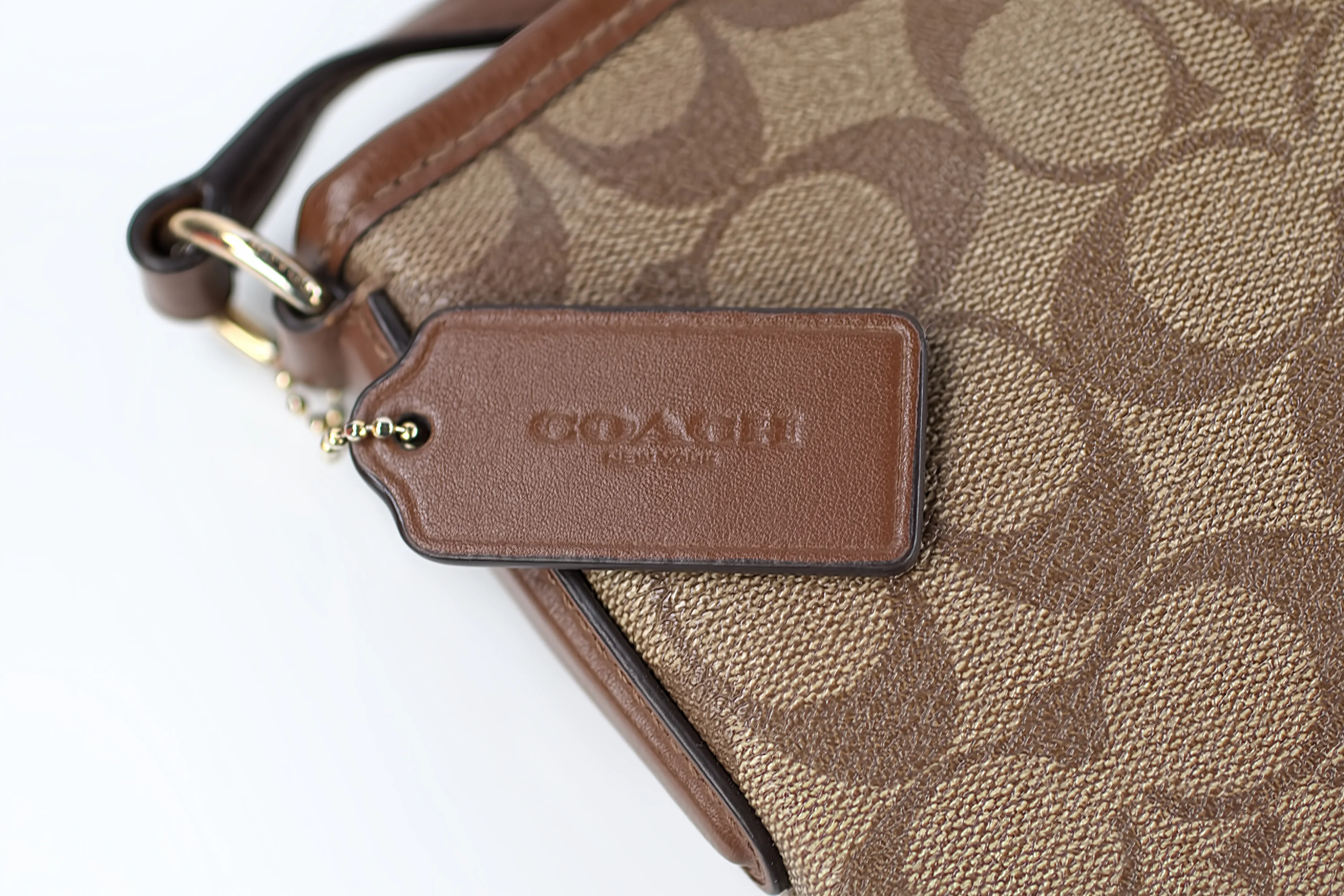
Coach is attracting younger shoppers while parts of the luxury market struggle. On November 5, its owner, Tapestry, reported that Coach’s quarterly sales rose 16 percent compared with a year earlier. Sales at Kate Spade, another brand owned by Tapestry, fell 10 percent during the same period. Coach has gained popularity among young adults in North America, China and Europe. Its marketing includes celebrity campaigns and bag charms, small decorations that customers attach to their bags. These products offer shoppers a way to give a familiar item a more personal appearance. Tapestry raised its annual sales and profit forecasts after the results. Coach’s chief executive also said the brand did not plan to increase discounts during the coming holiday shopping season. The company believes its products already offer customers good value.
The results raise a question about why people pay more for a particular brand. Some buyers look for strong materials and a design they can use for years. Others enjoy following trends or owning something connected with a favorite celebrity. The same purchase can meet several needs at once. However, popularity does not automatically make a product suitable for every customer. A fashionable bag may be attractive but too small, too heavy or beyond someone’s budget. Comparing practical features with the brand image can help buyers understand what they are paying for. Companies face a related challenge: attracting new customers without losing the qualities that existing buyers appreciate. A successful campaign can create attention, but keeping customers interested requires more than a famous face.
—
Chat
Talk about these words from the article.
luxury / quarterly / popularity / marketing / celebrity / bag charms / appearance / forecasts / discounts / value / materials / trends / budget / practical / brand image
—
Discussion
-
What makes a brand worth paying more for?
-
How much do celebrities influence your shopping choices?
-
What do you consider before buying a bag or another everyday accessory?
-
How do you decide whether a fashionable item will remain useful?
-
Why might two brands owned by the same company have different sales results?
-
When would you choose a cheaper product over a famous brand?
-
How can a brand attract younger customers while keeping its existing customers?
-
What purchase has given you particularly good—or poor—value for money?